
how many fans of anime in the world
A distinctive kind of Japanese animation, anime has become incredibly popular all over the world. Once a specialised subculture, it has now spread over the world, enthralling viewers of all ages in various nations. Since its modest origins in Japan, anime has developed into a multibillion-dollar business, and its following is growing every year. However, how many people worldwide are anime fans? It can be challenging to pinpoint exact statistics, but there is no denying that anime has a huge global fan following that is only becoming bigger as the genre achieves ever-higher levels of mainstream acceptance.
1. Anime’s Worldwide Popularity
There may be hundreds of millions of anime enthusiasts worldwide, according to estimates. The global anime business was estimated to be worth over $24 billion in 2021, and it is still growing as the genre expands into new regions, especially in North America, Europe, and Southeast Asia. Streaming services like Crunchyroll, Netflix, Funimation, and Amazon Prime Video have made anime programming accessible to viewers outside of Japan, contributing to the popularity of anime. As a result, anime is now a popular kind of entertainment that appeals to a wide range of viewers rather than being limited to Japan or a tiny subset of fans.
2. Japanese Anime: The Centre of Fandom
Naturally, with so many anime titles produced there annually, Japan continues to be the epicentre of the anime universe. Approximately 70% of Japanese individuals are thought to have seen anime at some point in their life, according to recent data. Considering that there are over 126 million people living in Japan, 88 million of them are thought to be connected to anime in some way. Additionally, anime plays a big role in Japanese culture, as evidenced by the popularity of anime events, merchandising, and specialised cafes throughout the nation. Even while not all of these individuals would consider themselves “hardcore fans,” Japan is the greatest market for anime due to the sheer amount of people who have been exposed to the genre.
3. The Growing Fan Base in North America
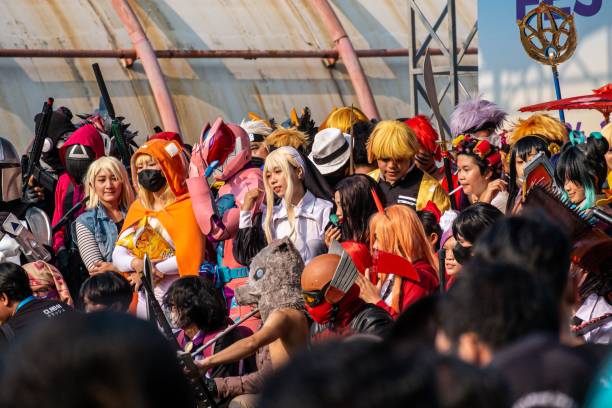
Particularly in the last several years, anime’s popularity in North America has skyrocketed. With millions of regular anime viewers, the US has emerged as one of the biggest anime markets worldwide. About 22% of Americans reported having seen anime in 2020, and the percentage has been continuously rising. By 2025, the anime market in North America is actually expected to be valued at over $5 billion. North American anime lovers now have easier access to a vast selection of anime, ranging from classic series to the newest seasonal releases, thanks to the growth of streaming services like Crunchyroll and Netflix, which offer enormous anime libraries. Conventions, fan communities, and cosplay culture have all flourished as a result of this throughout the continent.
4. A Developing Fandom in Europe
In Europe, anime has also become quite popular, with fans from nations like France, Germany, and the UK becoming more interested. Outside of Japan, France is renowned for having one of the biggest anime fan bases. For many years, anime shows have been broadcast on French television networks, and the nation frequently holds significant anime conventions like Japan Expo in Paris, which draws tens of thousands of fans annually. Furthermore, streaming services for anime are growing quickly in Europe and now provide multilingual dubbed and subtitled anime. As a result, anime is becoming more well-known in European nations, and its fan base is rapidly expanding in both size and diversity.
5. Southeast Asia: Cultural Integration through Anime
In Southeast Asia, where nations like Thailand, the Philippines, Indonesia, and Malaysia have a strong affinity for Japanese culture, including anime, anime is extremely popular. Fans in these areas may now easily obtain anime thanks to the growth of the internet and streaming services. 40–50% of people in nations like the Philippines are thought to have watched anime, with some shows becoming almost cult favourites. With anime programming taking over local TV stations and internet streaming platforms, anime conventions and cosplay events are likewise becoming more and more popular in Southeast Asia. The region’s anime fan base is further supported by the cultural ties to anime that are frequently entwined with the interest in Japanese pop culture.
6. The Allure of Anime Genres Worldwide
The wide range of genres that anime offers is one of the reasons it has such a large and varied global following. Action and fantasy are not the only genres found in anime; it also includes romance, drama, horror, science fiction, and slice-of-life. Because of its great diversity, anime may be enjoyed by people of many ages, genders, and cultural backgrounds. Series like Your Name and Clannad appeal to followers of romance and poignant narrative, while shows like Naruto, One Piece, and Attack on Titan appeal to those who enjoy action and adventure. Anime like Digimon and Pokémon have been beloved for decades by younger viewers. By drawing followers from a wide range of backgrounds, this genre diversity contributes to anime’s increased worldwide appeal.
7. Anime Fandom’s Future
The number of anime enthusiasts throughout the world is probably going to keep increasing as the industry changes. Fans may now more easily access anime in a variety of languages because to the growth of digital platforms, and cultural perspectives are constantly changing as anime becomes more widely accepted as a form of entertainment. The influence of anime is expected to grow as more of it is turned into live-action movies and TV shows and as more foreign artists and producers work together. The size and fervour of the fans are demonstrated by events such as Anime Expo in the United States and Tokyo Anime Fair in Japan, and it is certain that the global fandom will only continue to expand given anime’s growing popularity.
In conclusion
It is claimed that there are hundreds of millions of anime enthusiasts worldwide, with notable increase in North America, Europe, and Southeast Asia. While anime has become a popular form of entertainment worldwide, it is a deeply established part of Japanese society. The global anime fandom is expected to continue growing as streaming services make anime more accessible and its influence continues to grow. Anime has become a really global phenomenon that enthrals followers from all over the world, transcending cultural barriers.