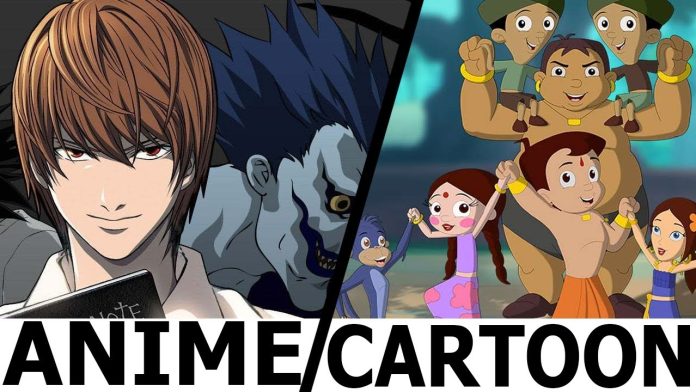

difference between anime and cartoon
Despite their frequent interchangeability, anime and cartoon are two distinctive art genres with diverse histories, aesthetics, and cultural connotations. Although both anime and cartoons are classified as animated entertainment, their main distinctions are found in their target audiences, storyline methods, and artistic approaches. A greater appreciation for each media can result from being aware of these distinctions.
1. History and Cultural Impact
The cultural roots of anime and cartoons are among their most basic distinctions. The term “anime” refers exclusively to Japanese-produced animated works. From intensely emotional dramas like Your Name to action-packed shonen shows like Naruto, it covers a broad spectrum of genres. Although the word “anime” itself comes from the English word “animation,” it is used to refer to all animation in Japan, regardless of where it comes from. However, anime specifically refers to Japanese animation outside of Japan.
Conversely, cartoons are mostly connected to Western animation, especially those produced in the United States. For many years, Western animation has been characterized by well-known cartoons such as The Simpsons, Tom and Jerry, and Looney Tunes. The word “cartoon” is most frequently associated with works created in Western nations, while it can also refer to any animated content. The style, tone, and themes that are expressed in each medium are influenced by the disparities in cultural backgrounds.
2. Visual Presentation and Art Style
The art style is one of the most obvious distinctions between anime and cartoons. Characters in anime usually have big, expressive eyes and unique facial characteristics, and the art is recognized for being detailed and frequently exaggerated. Depending on the genre and intended audience, anime’s visual aesthetic can vary from highly stylized and fantastical to more realistic representations. A more captivating and eye-catching experience is produced by anime’s frequent attention to detail in the backdrops, lighting, and color schemes.
The art style of cartoons, however, is typically more exaggerated and simplified. Western cartoon characters tend to have more abstract designs and place less focus on fine details or realism. For comedic effect, the characters may have more prominent features, including large heads or excessive facial expressions. Cartoons tend to be simpler and more straightforward in their visual design, which makes them more approachable for younger audiences, though there are some exceptions.
3. Themes and Storytelling
The breadth and depth of storytelling is another important way that anime differs from cartoons. With an emphasis on character growth, emotional nuance, and elaborate world-building, anime frequently has sophisticated and complicated plots. Themes like friendship, love, sacrifice, morality, and the essence of life are all explored in a lot of anime episodes. Because of its powerful, thought-provoking, and symbolically rich stories, anime appeals to a wide age range, including adults.
On the other hand, humor and lightheartedness are often emphasized in cartoons, especially those aimed at children. Cartoons frequently include self-contained, episodic plots with exaggerated humorous scenarios. Most cartoons concentrate on amusement, slapstick humor, and straightforward moral messages, however some go deeper into topics, especially in more contemporary works like Avatar: The Last Airbender or Steven Universe. It’s crucial to remember that both media can appeal to a range of age groups, with some anime targeted at younger viewers and some cartoons having more complex content.
4. Demographics and the Target Audience
The target demographic for cartoons and anime is likewise different. Even while cartoons are frequently thought of as being for children, older viewers can still enjoy them, especially as the medium has changed to appeal to a wider range of viewers. Adult audiences are the target demographic for shows like Family Guy and The Simpsons, which appeal to them with their caustic humor and social criticism.
In contrast, anime covers a broad spectrum of genres and audiences, ranging from adult-themed shows like Attack on Titan to children’s cartoons like Pokémon. With subgenres like shonen (aimed at young boys), shojo (aimed at young girls), seinen (for adult males), and josei (for adult women) spanning a wide range of themes and styles, anime is frequently classed according to its intended audience. Because of its diversity, anime can appeal to almost all age groups with material that is both humorous and lighthearted as well as profound, thought-provoking, and occasionally even controversial.
5. Budget and Production Process
Cartoon and anime production processes can vary greatly in terms of time limitations, animation methods, and budget. With a focus on fluid movement, complex character designs, and skillfully planned action scenes, anime frequently employs complicated hand-drawn animation techniques. Despite having strict budgets and production schedules, anime frequently places a high value on artistic expression and visual storytelling. Because of the comparatively high demand for anime, Japanese studios are notorious for putting out a lot of episodes in a short amount of time, which occasionally results in lower-quality animation.
Cartoons frequently combine computer-generated and hand-drawn animation methods, particularly in Western animation studios. Traditional Western animation is renowned for its focus on humor and character design rather than complex action scenes, but contemporary cartoons use cutting-edge animation technologies to produce smoother images. In contrast to the serialized, lengthy storyline found in many anime programs, the animation technique in the West frequently concentrates more on producing visually appealing content for brief, episodic content.
6. Popularity and Influence Worldwide
Anime has become increasingly popular worldwide in recent years, drawing admirers from all around the world. Anime fandoms are growing all over the world as a result of streaming services like Crunchyroll, Netflix, and Funimation making anime more widely available to viewers worldwide. International fans love sharing fan art, cosplaying as their favorite characters, and having online discussions about anime. The increasing impact of anime on popular culture around the world is further demonstrated by the success of anime conventions like Comic-Con and Anime Expo.
Although Western entertainment has traditionally relied on cartoons, anime’s growing popularity has increased interest in the medium outside of Japan. The popularity of anime in nations like the US has prompted Western and Japanese creators to work together, fusing the styles and methods of both media. The distinction between anime and Western animation is further blurred by shows like Avatar: The Last Airbender and The Boondocks, which draw inspiration from anime.
7. Final Thoughts: Accepting the Disparities
Ultimately, despite their shared status as animated entertainment, anime and cartoons are very different in terms of their cultural origins, visual techniques, narrative complexity, and target audiences. Cartoons typically emphasize humor and substance that is accessible to younger audiences, whereas anime frequently concentrates on more complex and sophisticated tales. But as time has gone on, both platforms have gained popularity and developed global fan following.
Cartoons and anime both provide their audiences with something different, whether you enjoy the lighthearted fun and humorous appeal of cartoons or the emotional depth and visual sophistication of anime. You can better appreciate each medium and have a deeper understanding of the varied field of animation by being aware of these differences.