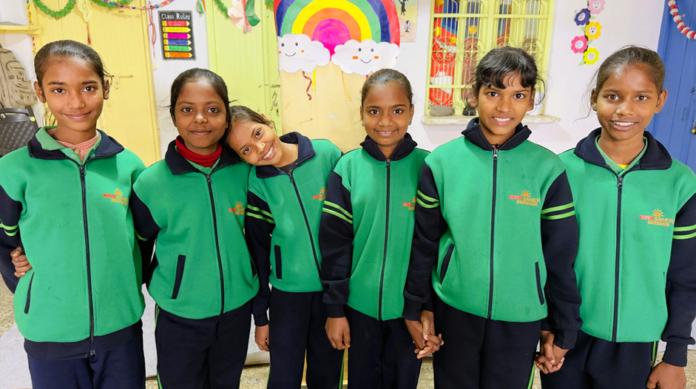

What Working for Children Really Involves
When people picture an ngo working for children in gurgaon, they often imagine a classroom or a distribution drive. The real work is broader and slower. It covers access to education, nutrition, health, protection from exploitation, and emotional support, and it usually depends on relationships built patiently with families and neighborhoods over years rather than weeks.
Children in low-income settlements face overlapping challenges. A child may attend school irregularly because a parent works far from home, struggle with lessons because no one at home can help, and miss meals on days when work is scarce. Solving only one of these problems rarely changes the outcome, which is why the strongest organizations design programs that address several needs together.
Protection is another quiet but important part of this work. Child labor, early marriage, and neglect are not always visible from the outside. Community-based organizations that stay close to families can notice warning signs early and connect children to schooling, counselling, and government support before harm becomes permanent.
Understanding 80G and 12A Registration
Donors frequently see the terms 80G and 12A on an organization’s website and wonder what they mean. In simple terms, 12A registration relates to an organization’s own income, allowing a properly registered charitable trust, society, or non-profit company to claim exemption on income applied to its charitable purposes, subject to conditions under the Income Tax Act.
80G registration relates to the donor. When an organization holds a valid 80G approval, eligible donors may be able to claim a deduction on certain donations, again subject to limits and conditions. The exact benefit depends on the donor’s tax situation and the applicable rules, so it is sensible to confirm the details with a tax professional rather than assume.
Together, these registrations signal that an organization has been through a formal review by the tax authorities. That is why many donors look for an 80g 12a registered ngo gurgaon when deciding where to give. Registration is not a guarantee of quality, but it is a useful baseline for accountability and lawful operation.
How to Verify an Organization Before You Give
Good due diligence does not need to be complicated. Start by asking for the organization’s registration certificates and checking that the 80G and 12A approvals are current, since these registrations are periodically renewed. Reputable organizations share this information readily and are comfortable explaining what each document covers.
Next, look at transparency. Annual reports, audited financial statements, and clear descriptions of programs help you understand where money goes and what it achieves. Be cautious if an organization is vague about its activities, avoids questions about finances, or relies mainly on emotional appeals without evidence of actual work on the ground.
If possible, visit a program or speak with the team. Seeing children in a learning center, meeting staff, or talking with a parent tells you more than any brochure. A genuine organization will welcome that curiosity, because supporters who understand the work tend to stay engaged for the long term.
Turning Support Into Lasting Impact
Once you have chosen an organization, think about how to support it in a way that helps it plan. Regular giving, even in modest amounts, is often more useful than occasional large gifts because it lets teams commit to teachers, materials, and follow-up for the whole year.
Skills and time can be just as valuable as money. Professionals can help with accounting, communications, technology, or training, while volunteers can support teaching and mentoring. Corporate teams may also explore structured partnerships that combine funding with employee participation.
Above all, stay curious and involved. Ask for updates, celebrate progress, and stay honest about what is and is not working. Children benefit most when supporters and organizations treat each other as long-term partners rather than as one-time transactions.
Supporting Children Through Difficult Transitions
Some of the most vulnerable moments in a child’s life are transitions: starting school for the first time, moving from primary to secondary, or shifting to a new city when a parent changes jobs. An organization committed to being an ngo working for children in gurgaon pays attention to these moments, offering bridge classes, admission support, and follow-up visits so that a child does not quietly disappear from the system. Small, timely actions at these points can decide whether a child stays on track or drops out.
Community trust is the other essential ingredient. Parents share their children’s futures with an organization only when they believe it is reliable. That trust is built through small, consistent acts: showing up on schedule, keeping promises, listening to concerns, and treating families with respect. Staff who come from or understand the community often find it easier to build these relationships, which is why hiring and training local team members matters so much.
For donors, the practical question is often how to give responsibly. Choosing an 80g 12a registered ngo gurgaon is a sensible starting point because registration adds a layer of accountability, but it works best when combined with your own checks on programs and finances. Ask for reports, read them with care, and follow up with questions. Organizations that value donors as partners will welcome the conversation and be glad to show you the work behind the numbers.